Posted on
December 27, 2017
by
Gurdial Badh
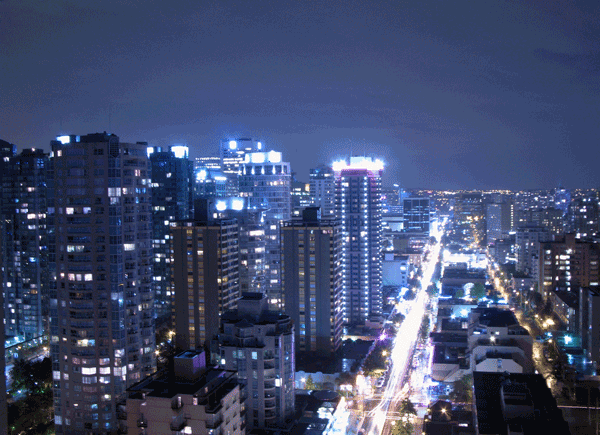
By now everyone has heard of Airbnb, the popular online hospitality service that allow people to lease or rent short-term lodging. While the concept of Airbnb boasts many advantages, from cheaper rent to more personalized accommodations, it has become an issue for the residents of Vancouver.
With the real estate in Vancouver, coupled with the amount of people that are looking for housing, Airbnb poses a problem in that with the expanding growth in tourists targeting short term rentals, many Vancouver residents can’t find a place to live.
The city of Vancouver cracked down on short-term rentals by announcing a series of restrictions that effectively bans properties from being used full-time on sites like Airbnb.
What caused this to happen?
Vancouver is a popular tourism hot spot with its many scenic naturistic views and popular landmarks. As a result of being one of the most highly sought after cities in Canada, it became the perfect place for tourists to come visit. This was made all the easier by Airbnb, which allowed for more reasonably priced accommodations. The consequence of this was that tourists flocked to Vancouver and took up the majority of the short term rentals for their vacation stay in Vancouver.
This problem expanded to the point where at least 6,000 illegal short term rentals (it is illegal to rent a home for less than 30 days) were operating in Vancouver. The new regulations were put in place to ensure that there is better use of all of the city’s housing that takes the residents into account.
What are the restrictions?
- Short term rentals will only be permitted in homes that already have primary tenants (tenants that reside in the property for most of the year).
- Any units that exist just for the purpose of being rented out in short periods (the city defines the short period as 30 days or less) will not be allowed to operate.
The above restrictions will be effective immediately starting April 2018. The main purpose of these strict regulations is that the city of Vancouver hopes that any short-term rental units will be pressured in joining the long-term rental market and this will create more living space for the residents of Vancouver.
What will keep these rules in effect?
Any resident who wants to rent either their entire home or a room in their home for less than 30 days will have to apply for a business license, pay a yearly fee of $49 and make sure to display their business license number on their online listing.
What are the planned results of these new rules?
These new regulations aim to free up more housing space by cutting down on short-term rentals and have them converted to long-term rental stock, which is highly needed to solve Vancouver’s rental housing crisis and to hopefully provide homes for the thousands of residents in Vancouver that are currently struggling to find a place to live.



















 The data relating to real estate on this website comes in part from the MLS® Reciprocity program of either the Greater Vancouver REALTORS® (GVR), the Fraser Valley Real Estate Board (FVREB) or the Chilliwack and District Real Estate Board (CADREB). Real estate listings held by participating real estate firms are marked with the MLS® logo and detailed information about the listing includes the name of the listing agent. This representation is based in whole or part on data generated by either the GVR, the FVREB or the CADREB which assumes no responsibility for its accuracy. The materials contained on this page may not be reproduced without the express written consent of either the GVR, the FVREB or the CADREB.